Gardens

A Preview of Fall

August 27, 2017 – The morning is cool and clear. The air is light–unusual for August in the midwest. The crickets are still singing even though the suns’s light is creeping over the trees in the east. Before long, cricket song is slowly drowned out by cardinals “chipping” and squirrels scolding as the morning brightens and warms.

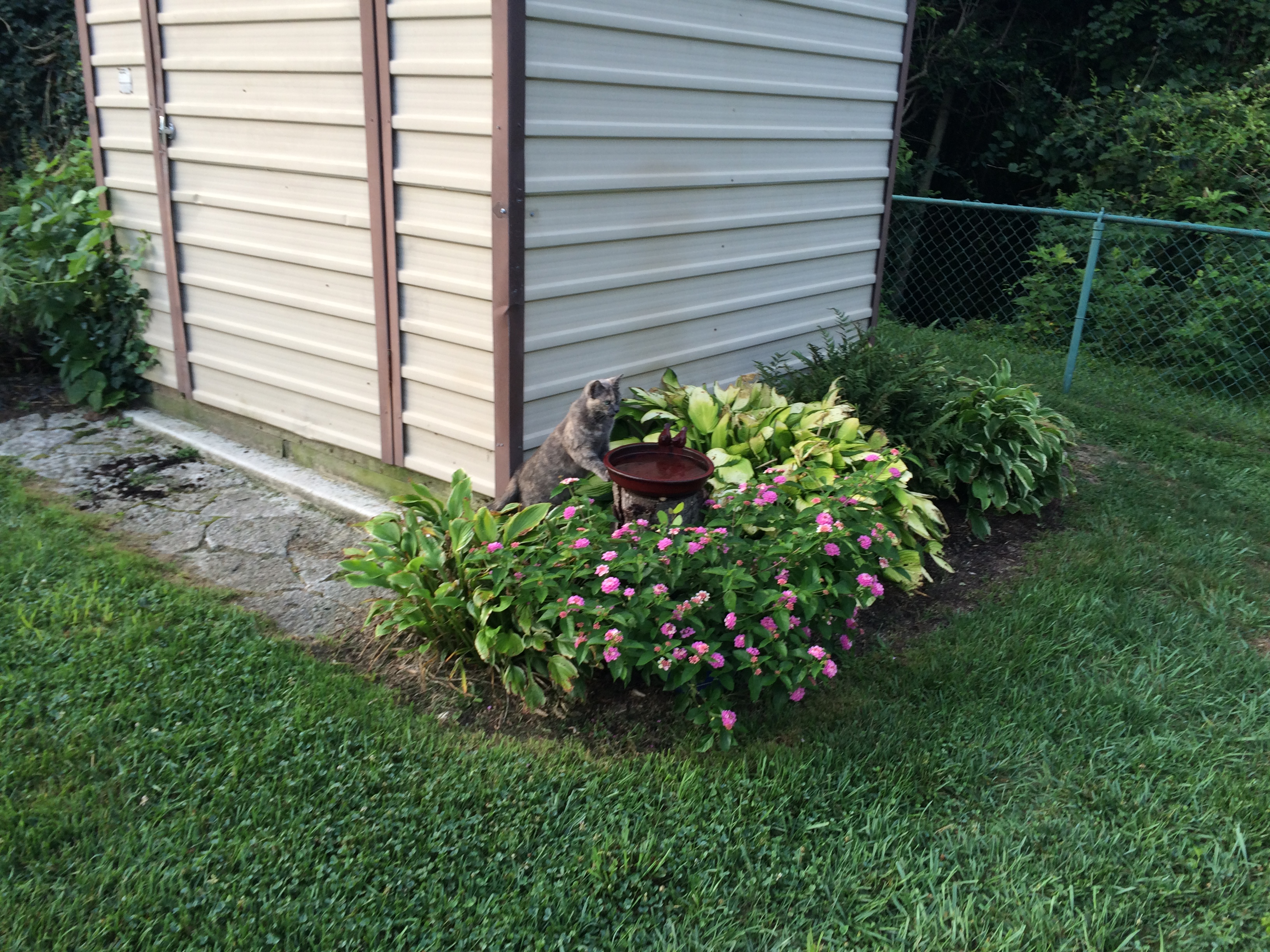
Athena, our visiting cat, pads softly across the back deck, heading out to the birdbaths for a quick drink.
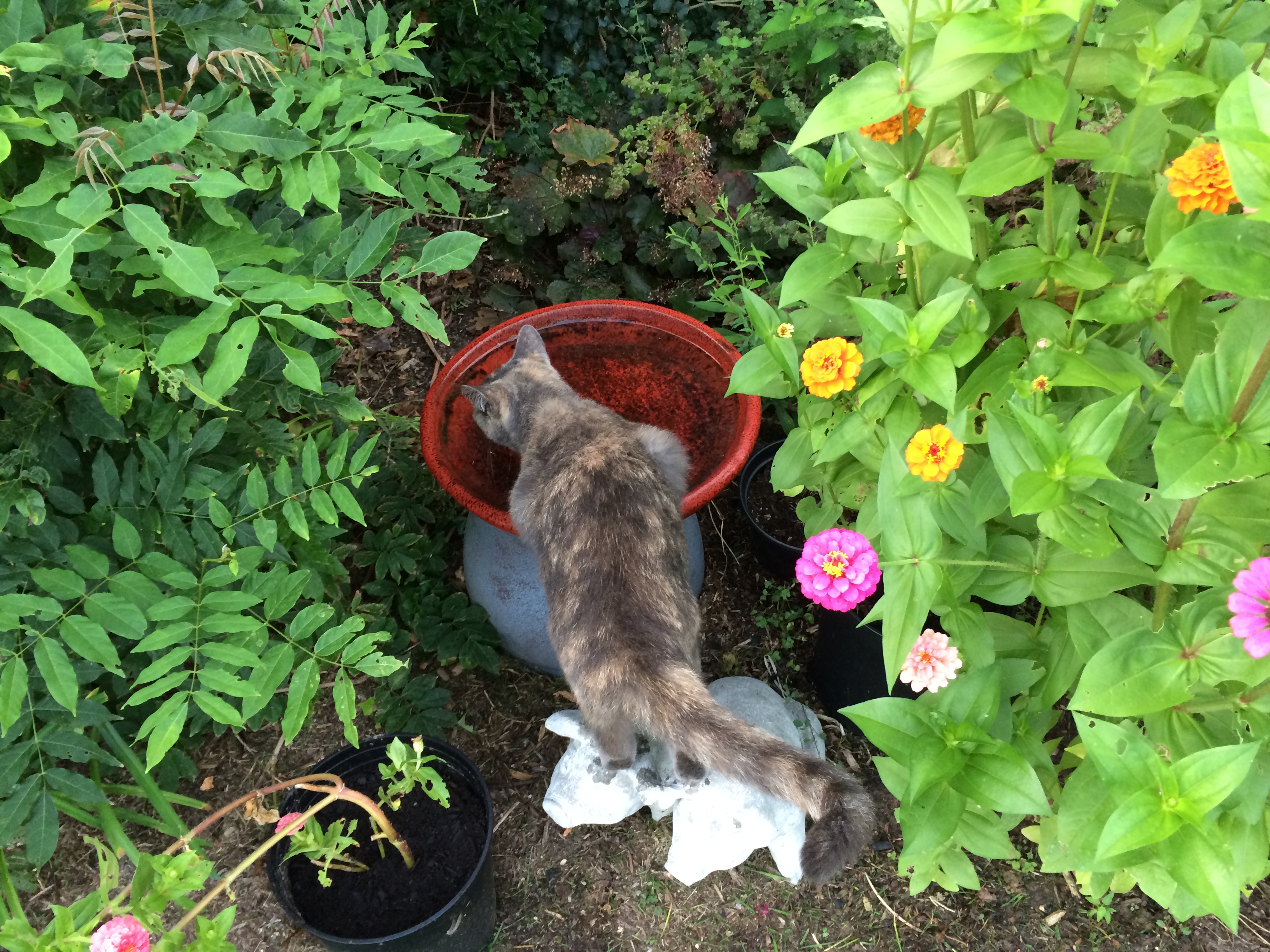


Inside, Duncan monitors her movements closely. 
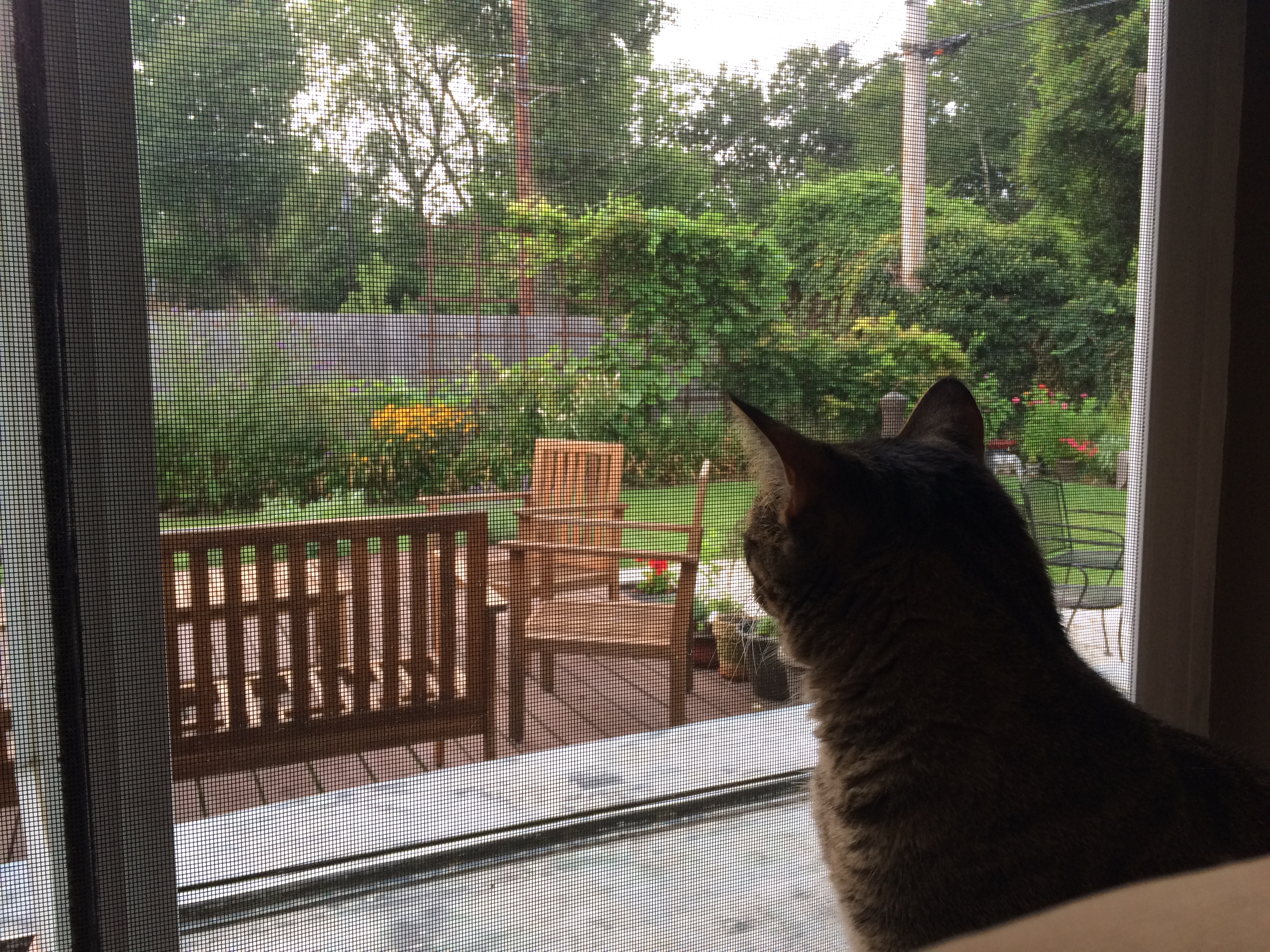
Athena and Duncan don’t get along, but I hope they will work out their differences eventually. But for now, there is much muttering and hissing as the “conversation” moves from window to window.

The sun is up beyond the trees now, and the bright light reveals a late summer garden, somewhat rejuvenated by the recent cool weather. The usual August heat is a harsh reality for the flowers and vegetables. Everything wilts by midday, and there is no energy left for growth… only survival. The bugs seize the opportunity to really wage an all out attack on the vulnerable leaves and petals. Squash borers weaken stems and stalks, and the yellow and black spotted cucumber beetles chew away at the beautiful green leaves. Even the tough prairie plants, with their deep, deep roots, look pale and tired. At this point, it seems like it’s time to wrap up the gardening for another year.

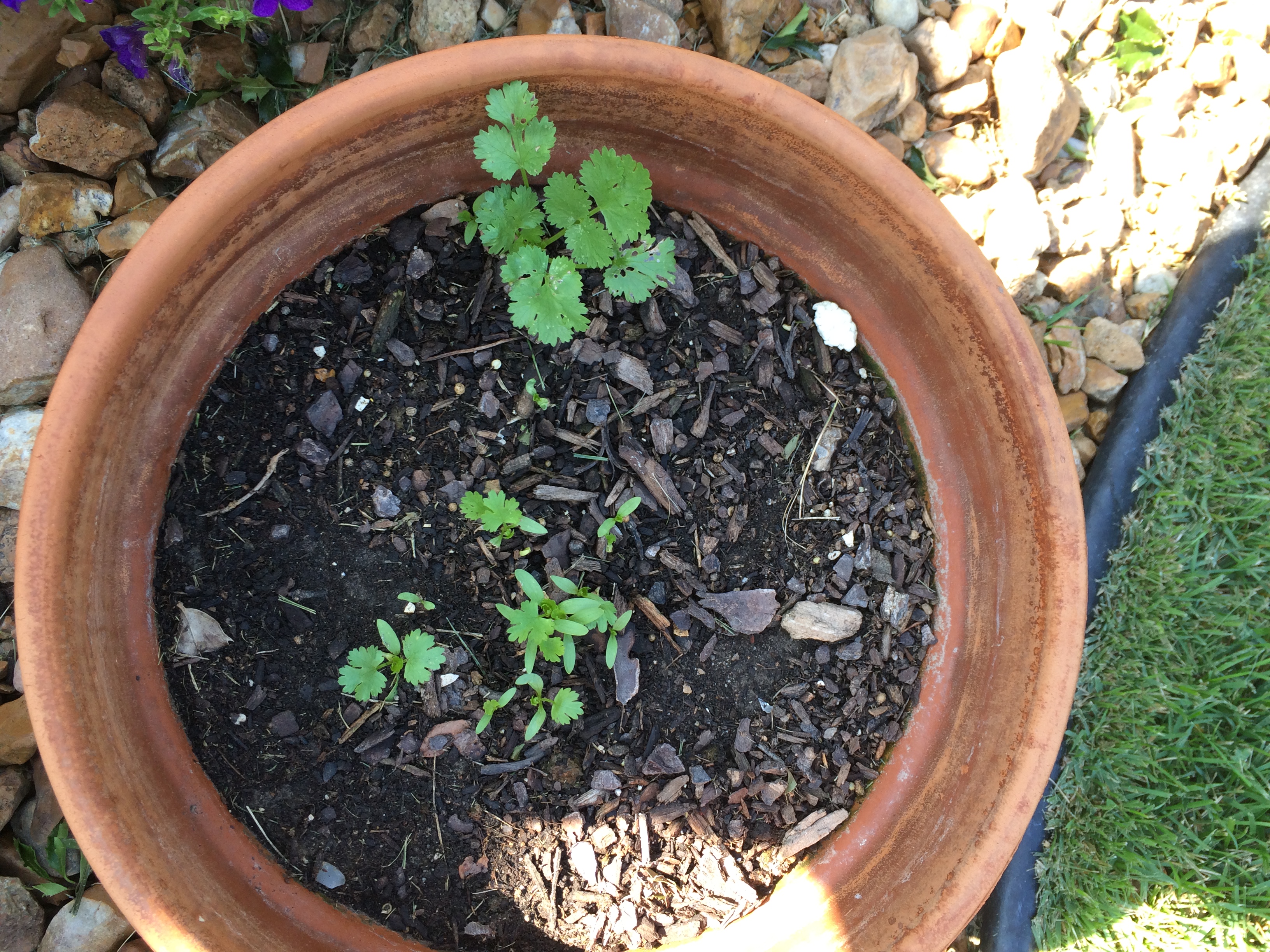
But, the resilience of Nature is not to be underestimated. On this morning’s garden walk, I notice a renewed vibrance in the greenery and a freshness to the flowers. Next to a dried, chewed stalk, a new green tomato hangs quietly, and young green leaves and small yellow flowers hold the promise of more to come. The fallen seeds of bolted  cilantro have sprouted and reach for the sun.
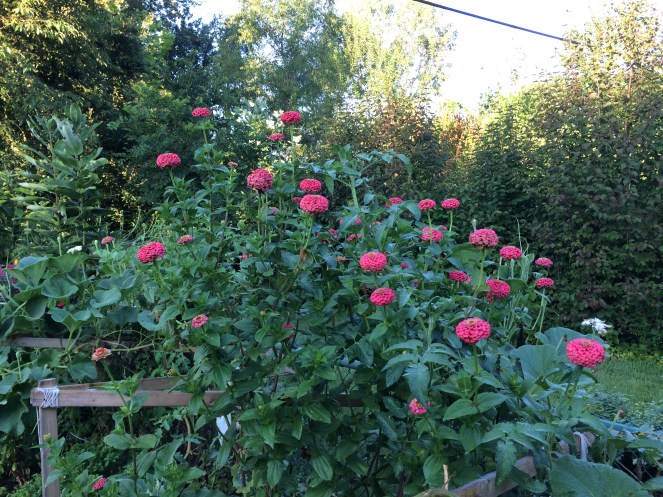
The zinnias look refreshed and ready to face the rest of the summer. Just a small preview of fall is a real boost to the heart and soul of the garden, not to mention the gardener. 🌱
Gardens

Garden Tour – August

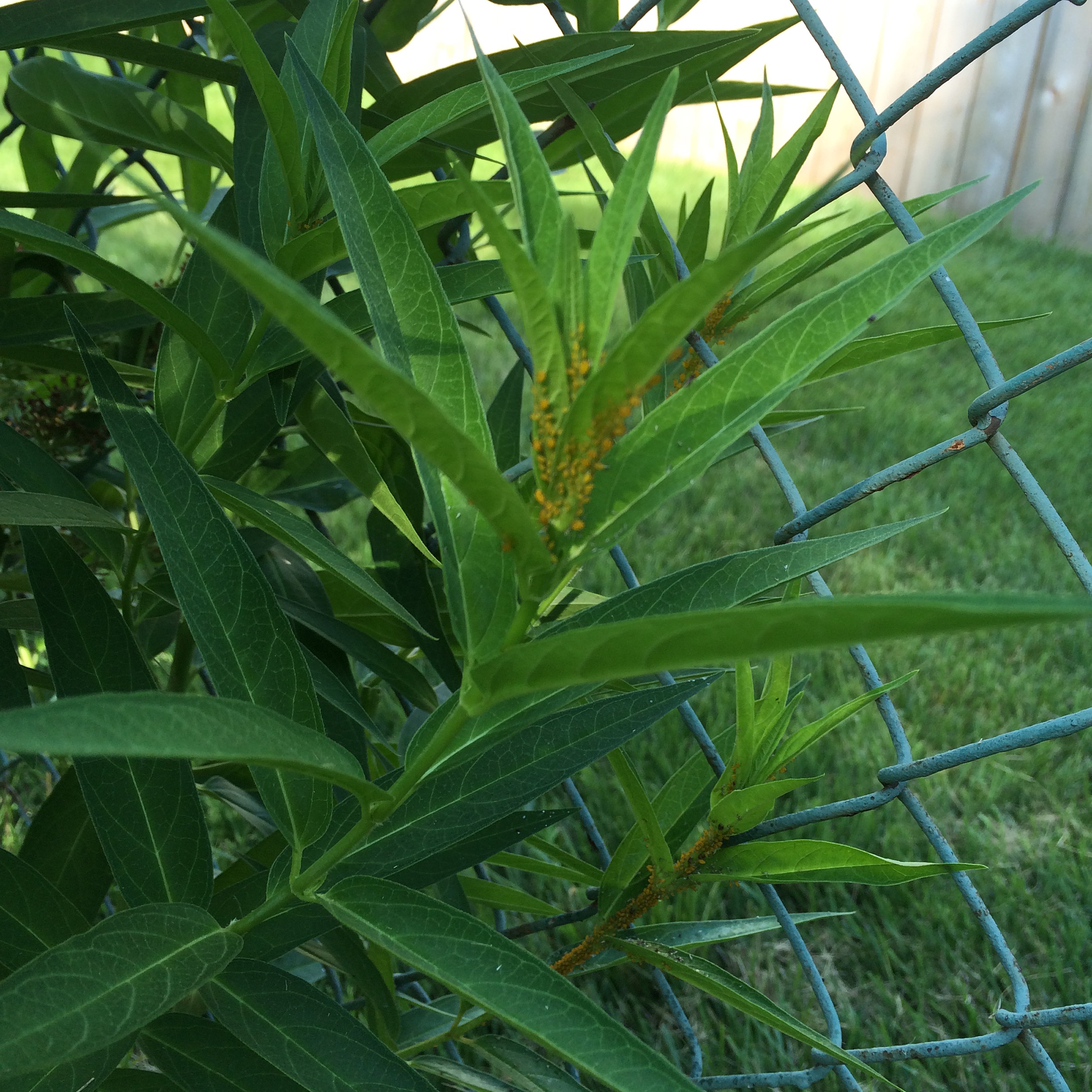
Got aphids?

IMG_1594

We sure do. But, I’ve come to realize, that can be a good thing. For one, it means that the plant that you weren’t quite sure was some variety of milkweed probably is indeed some variety of milkweed. Yay! Aphids LOVE milkweed plants. So, this plant pictured above is some type of milkweed. I’m not sure which type. There are several…. swamp milkweed (that’s what I *think* it is), butterfly milkweed (seems a bit redundant, but whatever….), common milkweed (classic!), and tropical milkweed (would love to try this one), just to name a few. Time will tell. We just added this guy to our east side garden this summer, so it may or may not bloom for us by the end of the season. That would help with the ID-ing, I think.

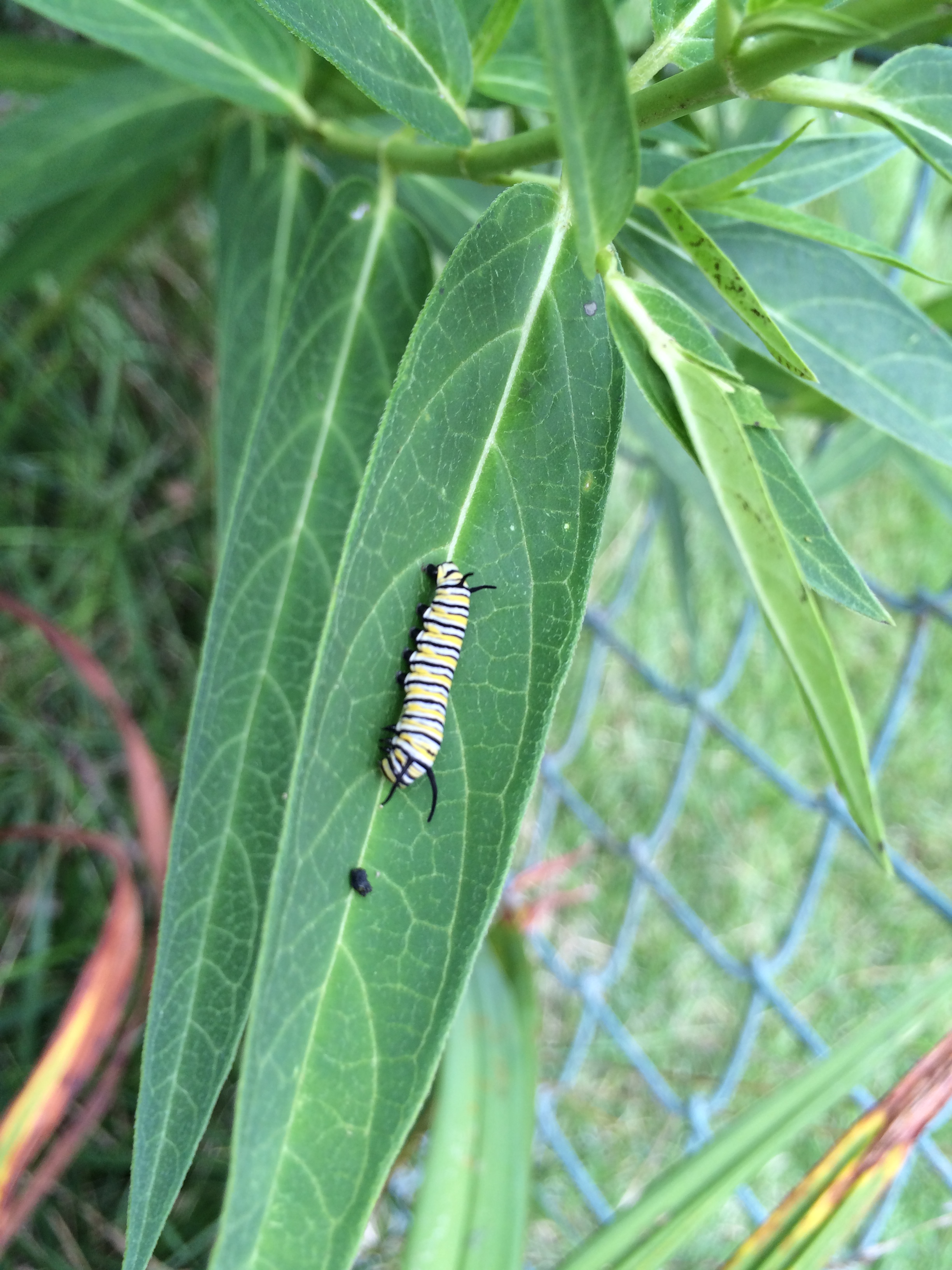
IMG_1659
Monarch caterpillar on milkweed leaf

However, there’s another reason that it is definitely some type of milkweed….

Now, no self-respecting monarch instar would be seen on a plant that wasn’t a milkweed. I was so excited to find this guy! But, back to the aphids. The second cool thing about having aphids is that you can watch the ants “interact” with them. And when I say “interact,” I apparently mean herd, control, manipulate, and otherwise subdue the aphids so that the ants can eat sugary secretions (and sometimes them!) at their leisure. It seems that ants have chemicals on their feet that tranquilize the aphids and have been observed biting the wings off aphids to keep them nearby! Supposedly, the aphids get something out of the deal, but, to me, it seems like just another example of the ant world getting a bit too powerful for its own good. At any rate, it’s interesting to watch.

So, other than aphids, ants, and milkweed…. what else is up in the August garden tour?

IMG_1670
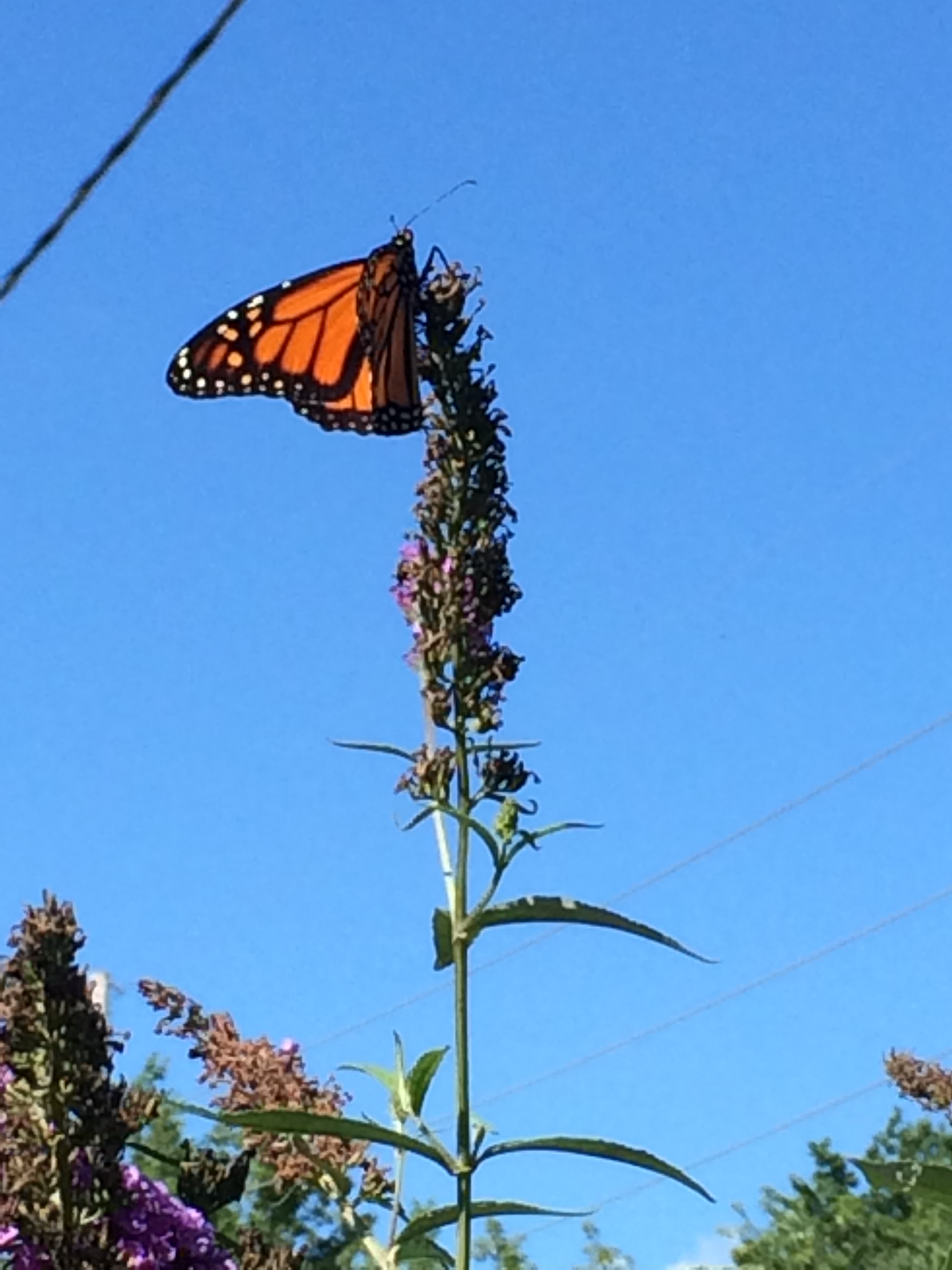
Monarch at the top of the butterfly bush

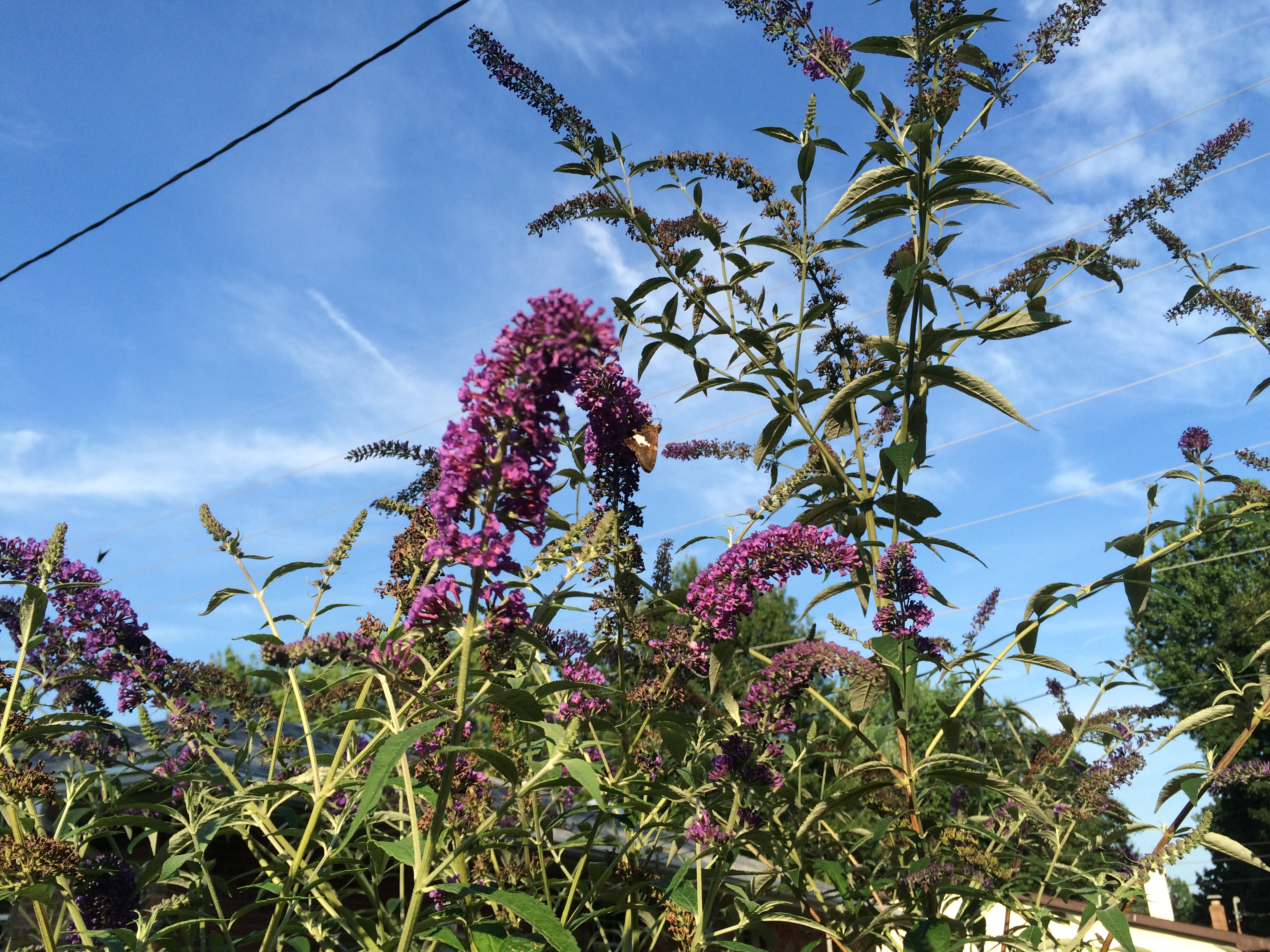
Well, as advertised, the butterfly bushes are doing their thing… attracting a wide variety of butterflies and skippers and sometimes hummingbirds for our viewing pleasure.

A skipper!
A skipper! A silver-spotted skipper!

Skippers and butterflies tend to have knobby ends to their antennae, as opposed to moths, which have feathery antennae. The skippers have antenna knobs that are hooked back… kind of like a crochet hook. Good luck getting them to hold still long enough to get a good look!

So, now we head into September and the official end of summer. It’s sad to see it end so quickly but exciting to contemplate the changes that fall will bring. Certainly cooler weather and fewer mosquitoes–please!!